Inside the EtrenerKnit studio
How your knitwear gets made, from yarn to finished garment
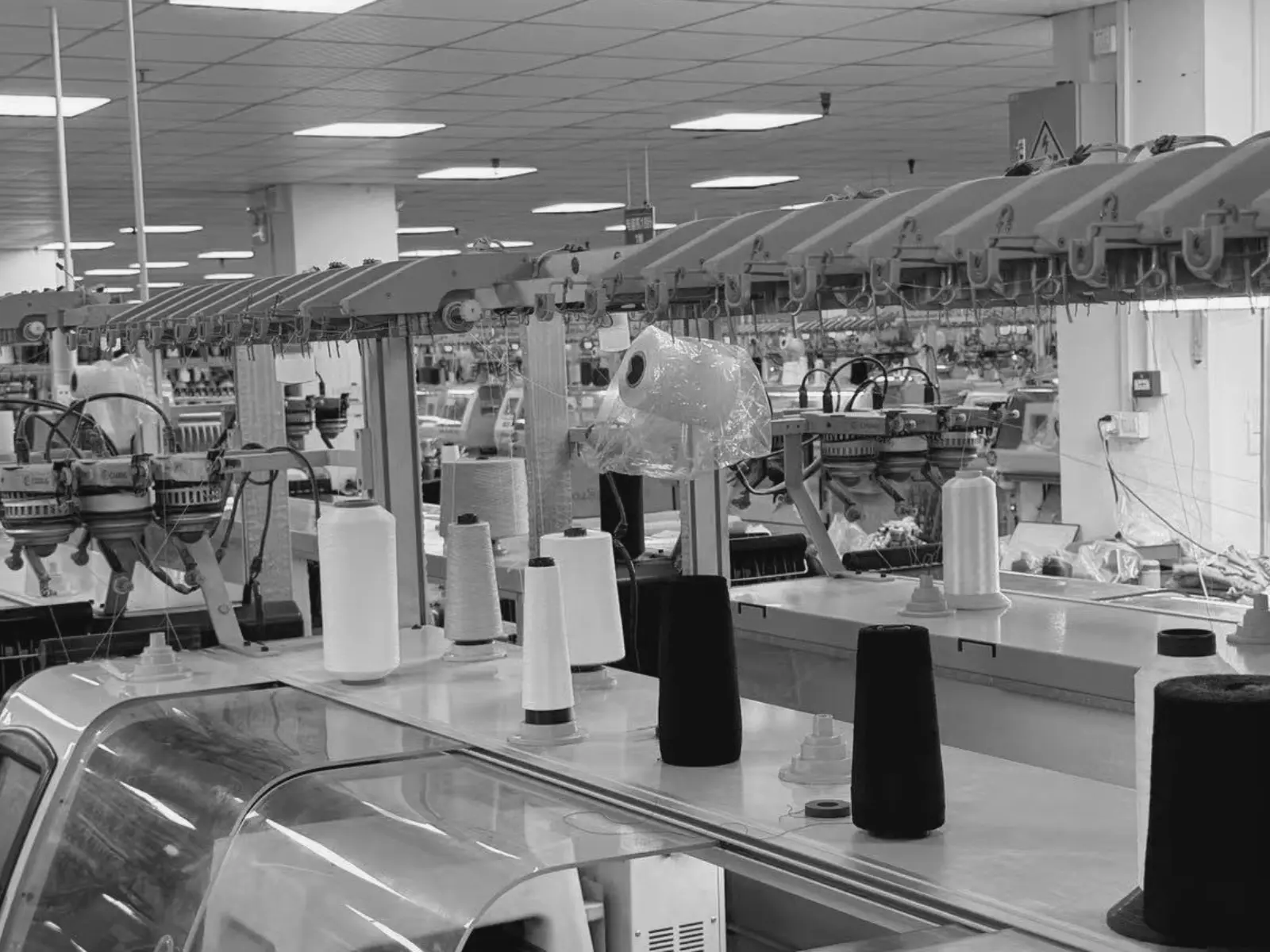
EtrenerKnit is a women's knitwear manufacturer in Guangzhou, working with fashion labels and wholesale buyers through OEM and ODM routes. The factory runs more than 100 Shima Seiki units and 1,000 skilled workers.
This page is the starting point for the technical side of our work: the factory, the yarns we knit with, gauge, knitting techniques, quality control and sustainability. Each topic has its own page, and this one shows you which to read first.
Made in
Guangzhou, China
Your garments are knitted and made at our factory in Guangzhou. Production runs on Shima Seiki knitting machines, a Japanese make known for computerised flat and whole-garment knitting. Read Shima Seiki's explanation of whole-garment knitting to see how the technology works.
For the people and place behind the machines, see about EtrenerKnit and the factory. If you are weighing Guangzhou as a sourcing location, why brands source knitwear in Guangzhou sets out the practical case.
Where to start
five places to go deeper
Each guide covers one part of how we work, so this page stays short. Choose the question you are trying to answer.
- The factory
About & factory
Who we are, where we are and how the factory is set up. Start here if you want to know who will make your knitwear.
- Fibres
Yarns & materials
The fibres and yarns we knit with, and how each one affects softness, warmth, weight and price.
- Fabric weight
Knitting gauge guide
What gauge means, and how it changes the look, handfeel and cost of a garment.
- Stitch and structure
Knitting techniques
The stitch effects and constructions that can be built into a style, with the design rules that go with them.
- Responsibility
Certifications & sustainability
Our sustainability information, and how to ask about the documents you need for your market.
- Checking the work
Knitwear quality control process
How garments are checked before they ship, and what you can inspect on a sample.
It starts
with the yarn
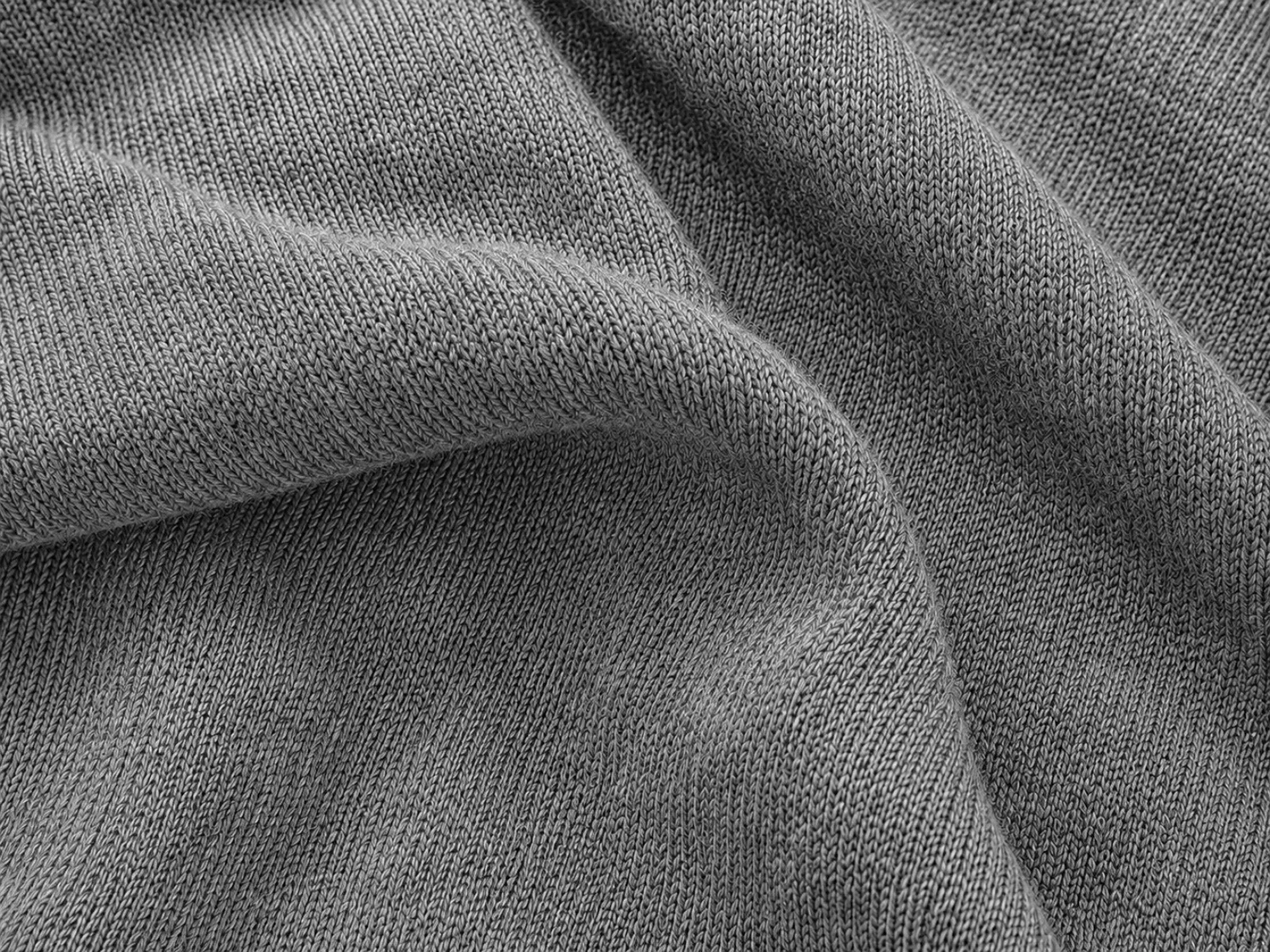
Yarn decides warmth, softness, weight and a large part of the price, so it is the first choice in any brief. Fibre also sets how a garment ages, including how much it pills, and how it should be washed.
Gauge, the number of needles per given distance on a knitting machine, is the second choice. Cotton Incorporated's textile glossary defines it in the same way, and it is why a fine-gauge knit feels light and a low-gauge knit feels chunky.
From brief
to finished garment
Whatever the garment, the technical choices follow the same order. Knowing it helps you write a better brief.
- YarnChoose the fibre and handfeel. This sets the character of the garment and most of its cost.
- GaugeChoose how fine or chunky the knit should be, which sets drape, weight and warmth.
- TechniqueChoose the stitch, pattern or construction, such as rib, jacquard or seamless knitting.
- ChecksReview a sample against your brief before bulk production, and agree what will be inspected.
Prefer to talk it through? Request a knitwear quote and tell us what you are developing.
Knowing who
makes your knitwear
Garment supply chains can be long and fragmented, which makes labour, environmental and integrity risks harder to manage. The OECD describes this challenge on its page about responsible garment and footwear supply chains, and brands sourcing from any factory can use it as a reference for the questions to ask.
Working with a manufacturer that makes the garments itself keeps the chain short. Ask us for what you need to document your own sourcing, and we will tell you what we can provide.
Studio questions
buyers ask first
Where is the EtrenerKnit factory?
EtrenerKnit makes women's knitwear in Guangzhou, China, with more than 100 Shima Seiki units and 1,000 skilled workers.
Which guide should I read first?
If you are new to knitwear, start with yarns and materials, then the gauge guide. If you are checking the supplier, start with the about and factory page and the quality control page.
What is gauge in knitwear?
Gauge is the number of needles per given distance on a knitting machine. A higher gauge gives a finer, lighter fabric and a lower gauge gives a chunkier, heavier one.
Can I see how a sample is checked?
The quality control page explains how garments are checked, and what you can inspect on a sample before approving bulk production.
What is the minimum order?
Custom OEM and ODM orders start at 50 pieces per style.
Ready to start
your knitwear collection?
Share your design, tech pack or reference photos, with the size range, yarn and quantity you have in mind.
request a knitwear quote