Knitwear yarns and materials
How to choose a yarn for your women's knitwear
Yarn is the first decision in any knitwear brief. It sets how a garment feels, how warm it is, how it wears and a large part of what it costs. This guide explains the fibres we knit with, what each one is good for and what to specify when you brief us.
EtrenerKnit makes women's knitwear in Guangzhou for fashion labels and wholesale buyers, from 50 pieces per style on both OEM and ODM routes.
What yarn
decides in a garment
Short answer: choose the yarn by the customer's experience first and the price second. A fibre decides handfeel, warmth, weight, drape, how much a garment pills and how it should be washed. Gauge and stitch then shape what that fibre becomes.
- Handfeel
Softness
How the garment feels against the skin. It depends on the fibre and how fine it is.
- Warmth
Season and weight
Some fibres suit winter layers, others spring and summer. Yarn weight and gauge change it again.
- Wear
Pilling and recovery
How the surface ages and how well the knit keeps its shape in use.
- Care
Washing and storage
What your customer will be asked to do, and what the label has to say.
- Cost
Price per garment
Fibre is often the largest single driver of unit cost in a knit.
Four fibre
families to start from
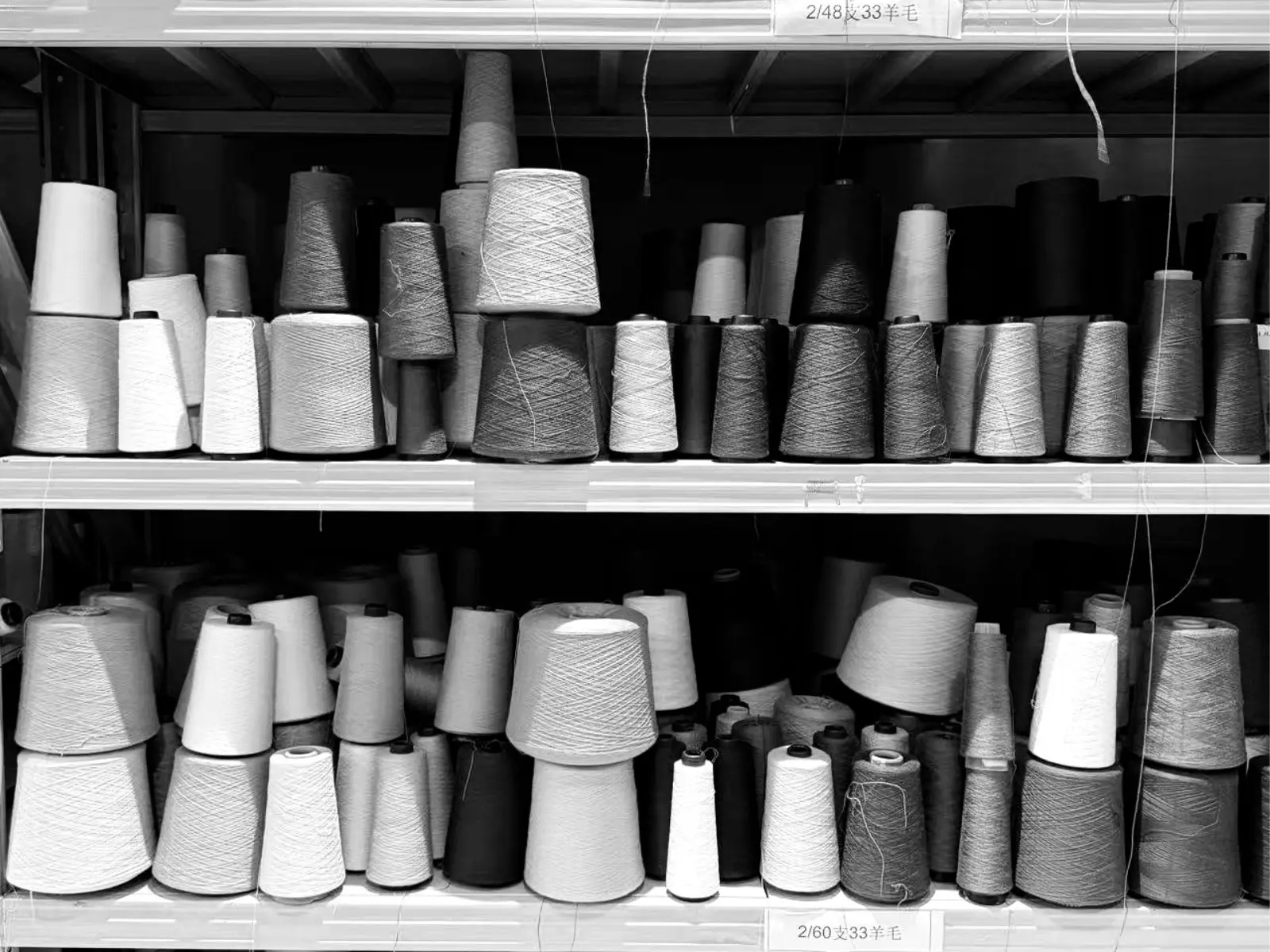
Most women's knitwear briefs start from one of four fibre families: merino wool, cashmere blends, cotton and recycled yarns. Blends of these are common, and the right one depends on the garment, the season and the price you need to hit.
If your fibre is not listed, describe it in your brief. Tell us the handfeel and the price point you are aiming for, and we will say what is practical.
Comparing fibres
side by side
The table below is a starting point for choosing. It describes the general character of each fibre, not a promise about a specific yarn, because yarns of the same fibre vary a lot in quality and spinning.
| Fibre | General character | Typically suits | Watch for |
|---|---|---|---|
| Merino wool | Fine, soft wool with good warmth for its weight | Sweaters, cardigans, knit dresses and everyday layers | Needs gentle washing, and some qualities pill |
| Cashmere blends | Very soft and light, with a luxury feel | Premium pullovers and elevated private label ranges | Higher cost and a tendency to pill |
| Cotton | Breathable and easy to care for, with a matte surface | Everyday knits and spring or summer styles | Heavier and less springy than wool, so it can drop |
| Recycled yarns | Made partly from recovered fibre, with a handfeel that varies by blend | Collections with a recycled-content story | Ask what the blend contains, and how it behaves in the knit |
Prices change with the market and the quality of the yarn, so we quote against your brief rather than from a fixed list. For a framework, see what knitwear costs by gauge and yarn.
Why merino
feels so soft
Merino is a wool from Merino sheep. Wool feels soft or scratchy mainly because of how thick each fibre is. Woolmark explains that fibre diameter, measured in microns, decides how soft Merino wool feels, with finer fibres feeling softer.
That makes merino a natural choice for sweaters and cardigans worn close to the skin. For garments in this family, see knit cardigans and sweaters made to order, and for longer pieces, custom knit dress manufacturer.
Cashmere
and why blends are common
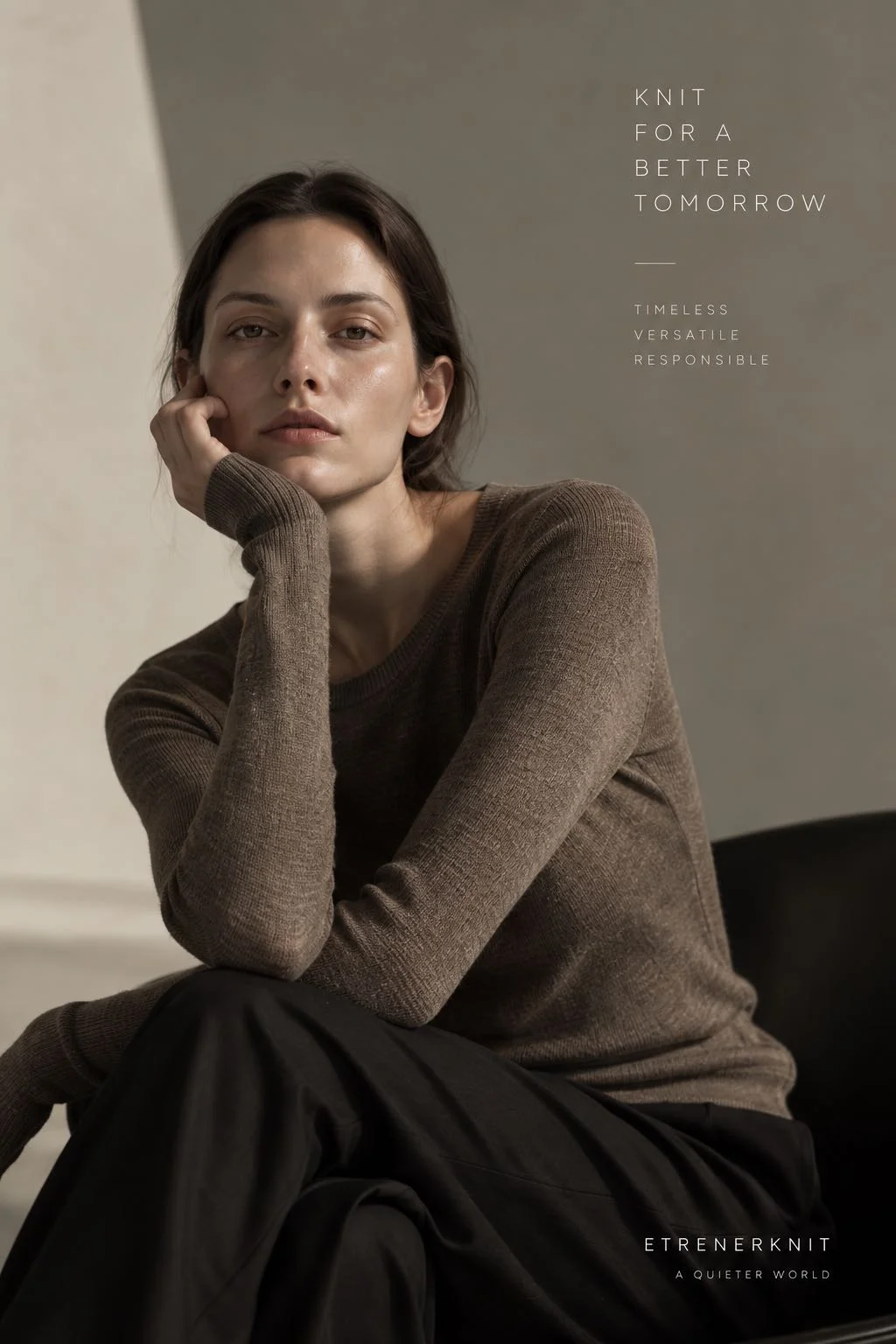
Cashmere is the soft, fine undercoat of the Kashmir goat. Britannica describes cashmere as warm, soft and well draping, with fibres finer than the best wools, and as a luxury fibre because gathering and processing it is costly. It also notes that cashmere is weaker than fine wool and is prone to abrasion and pilling.
That is why many brands choose a blend, such as wool with cashmere, which brings some of the softness at a lower cost and with more strength. The ratio changes the handfeel, the price and how the surface ages, so it is worth testing a swatch before you commit.
If you want a blend that is not an everyday combination, tell us the fibres and proportions you have in mind. Whether a custom blend is practical depends on the yarn and the quantity.
Cotton knits
for warmer seasons
Cotton is a plant fibre used across a huge range of textiles. Britannica notes that cotton fabrics can be extremely durable and resistant to abrasion, and that cotton is plentiful and economical to produce. In knitwear it gives a breathable, easy-care fabric with a matte surface.
The trade-off is weight and spring. Cotton does not recover like wool, so heavier cotton garments can drop at the hem and sleeves over time. Gauge and stitch structure can reduce this, so tell us how the garment should hang.
Recycled yarns
what to ask
Recycled yarns are made partly from recovered fibre. They can suit a collection with a recycled-content story, but the handfeel, strength and colour range vary a lot between blends, so judge them by the swatch and not by the label.
If you plan to make a claim about recycled content to your own customers, check what your market requires and ask us what we can provide. Our certification and sustainability information page covers what we can share with buyers.
Choosing by
garment and season
| Garment or goal | Fibres to consider | Why |
|---|---|---|
| Autumn and winter sweaters | Merino, wool blends, cashmere blends | Warmth and softness for layering |
| Premium or gifting ranges | Cashmere blends | A luxury handfeel, with a price to match |
| Spring and summer knits | Cotton and lighter blends | Breathability and a cooler feel |
| Long, drapey garments | Fine wool and fine-gauge blends | They hang rather than cling, and resist dropping |
| A recycled-content collection | Recycled yarns and blends | Fits the story, if the handfeel works |
Yarn and gauge work together. Read how gauge changes the look, feel and cost, and see jacquard, intarsia and pointelle knitting for what you can build into the surface.
The same yarn
across a range
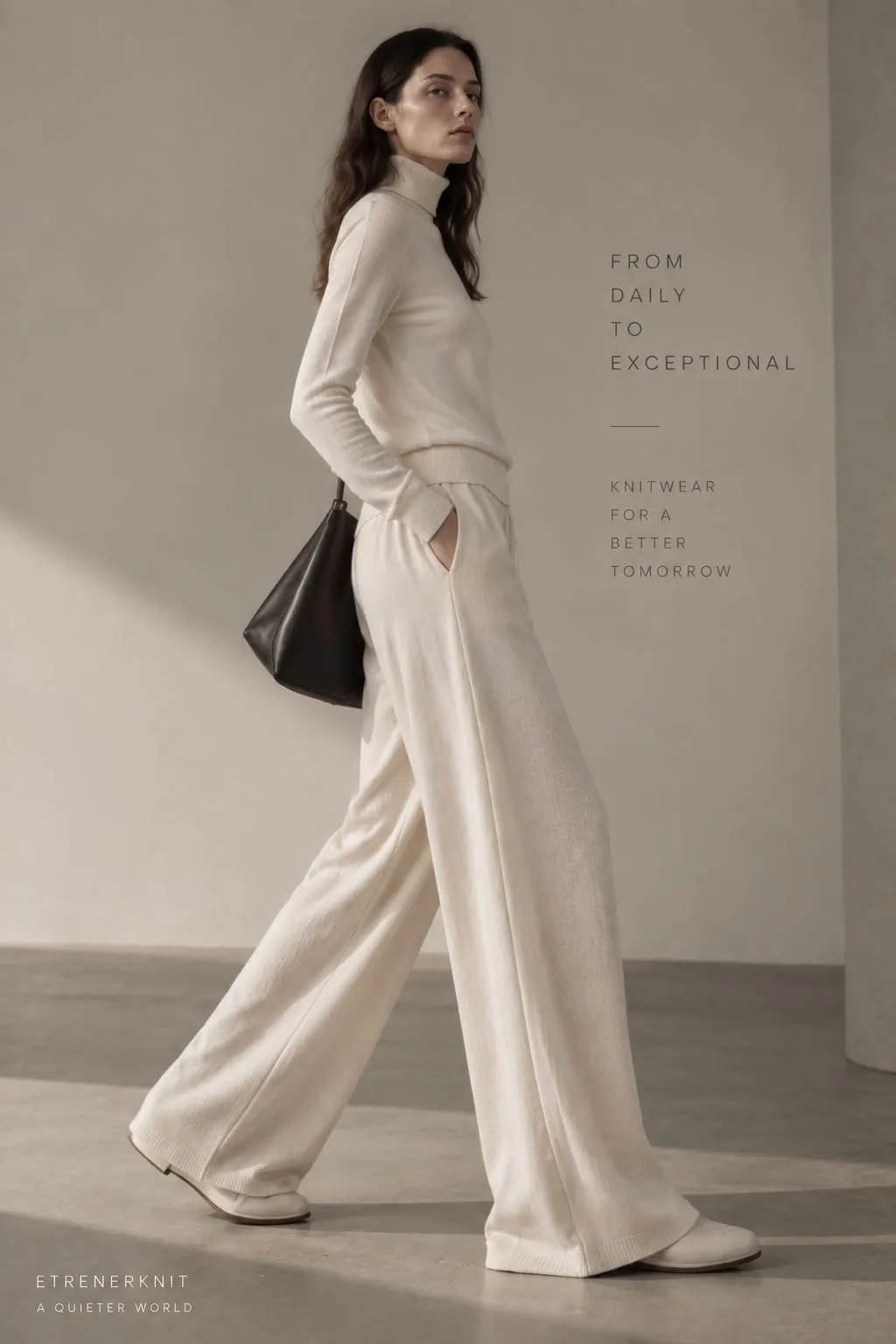
Many brands build a collection in one yarn story, so a sweater, a skirt and a pair of trousers share a fibre and colour palette. A shared yarn simplifies sourcing and makes the range look intentional.
When you do this, check that the yarn suits every garment. A yarn that is perfect for a soft pullover may bag at the knee of a trouser, so test each piece.
How to approve
a yarn for your style
You do not need to pick the final yarn before you contact us. A reference garment or a description of the handfeel is enough to start. The usual path is below.
- Describe the targetTell us the garment, the season, the handfeel and the price point you are aiming for.
- Agree a directionWe suggest fibres and blends that fit the brief, and say what is practical for the style and quantity.
- Review a sampleCheck the sample for handfeel, drape and finish, and compare it against your reference.
- Confirm before bulkApprove the yarn, colour and construction together before bulk production starts.
If you have your own design, our manufacturing from your own design and tech pack route lets you specify the yarn directly. On the OEM route, sampling takes 10 days. On the ODM route it takes 15–20 days, and bulk production takes 25–35 days on both.
Pilling, care
and what customers expect
Almost every knit pills a little, especially where it rubs. How much depends on the fibre, the yarn and the stitch. Cashmere and fine wool blends can pill more readily than a firmer yarn, and a tighter stitch resists it better than a loose one.
Decide early how you want the garment to be cared for, because it affects the fibre you choose. A hand-wash-only cashmere blend suits a premium customer, but may not suit a customer who expects to machine wash. Make sure the care information you give matches how the garment actually behaves.
Yarn choices
that cause problems later
Most yarn problems in knitwear come from decisions made before sampling. These are the ones we see most often in briefs, and how to avoid them.
- Choosing from a photo alone. A fibre looks different on screen, so judge handfeel and drape on a swatch or sample.
- Picking the softest yarn for every garment. A very soft, fine yarn can bag or pill on trousers and skirts, where the fabric rubs and sits.
- Ignoring care. If the yarn needs hand washing and your customer expects to machine wash, returns follow.
- Changing the yarn after approval. Even a small change in fibre or spinning can change the handfeel, so lock the yarn before bulk production.
- Leaving the price point out of the brief. A fibre that suits the design may not suit the budget, and it is easier to adjust before sampling than after.
What to tell us
about your yarn
- The garment you are making and the season you are selling it in
- The handfeel you want, with a reference garment or swatch if you have one
- Your preferred fibre or blend, and any you want to avoid
- Target quantity per style
- Your price point, so we can suggest a fibre that fits it
- Any recycled-content or sustainability goals for the range
Starting from 50 pieces per style, custom orders on both routes are planned style by style.
Yarn questions
buyers ask first
Which yarns do you knit with?
Most briefs start from merino wool, cashmere blends, cotton or recycled yarns, and blends of these. If you want another fibre, describe it in your brief and we will say what is practical.
What is the minimum order?
Custom OEM and ODM orders start at 50 pieces per style.
Why is merino so soft?
Softness comes mainly from fibre thickness. Merino has a much finer fibre than coarser wools, and finer fibres feel softer against the skin.
Does cashmere pill?
It can. Cashmere is a fine, soft fibre that is weaker than fine wool, and it is prone to abrasion and pilling. A blend with wool or a tighter stitch can help.
Which yarn is best for a knit dress?
It depends on the drape you want. Fine wool and fine-gauge blends hang well on longer garments, while heavier yarns can drop at the hem. Tell us the length and fit in your brief.
Can I choose my own yarn?
Yes. If you have your own design, you can specify the yarn in your tech pack or brief, and we will confirm what is practical for the style and quantity.
Can you develop a custom blend?
Tell us the fibres and proportions you have in mind. Whether a custom blend is practical depends on the yarn and the quantity, and we confirm it after reviewing your brief.
How long do sampling and bulk take?
On the OEM route, sampling takes 10 days and bulk production takes 25–35 days. On the ODM route, sampling takes 15–20 days and bulk production takes 25–35 days.
Ready to start
your knitwear project?
Tell us the garment, the handfeel and the quantity you have in mind, and we will suggest a yarn that fits.
get a quote