ODM and private label knitwear
From concept to your own collection
ODM knitwear manufacturing means our design team develops the style with you, from a concept, brief or reference to a production-ready tech pack, and you sell the finished garments under your own label. We handle design development, sampling, production, quality control and delivery.
Per style per colour
Approved before bulk
After sample approval
Including 16G/18G fine gauge
Who ODM suits
brands without a design team
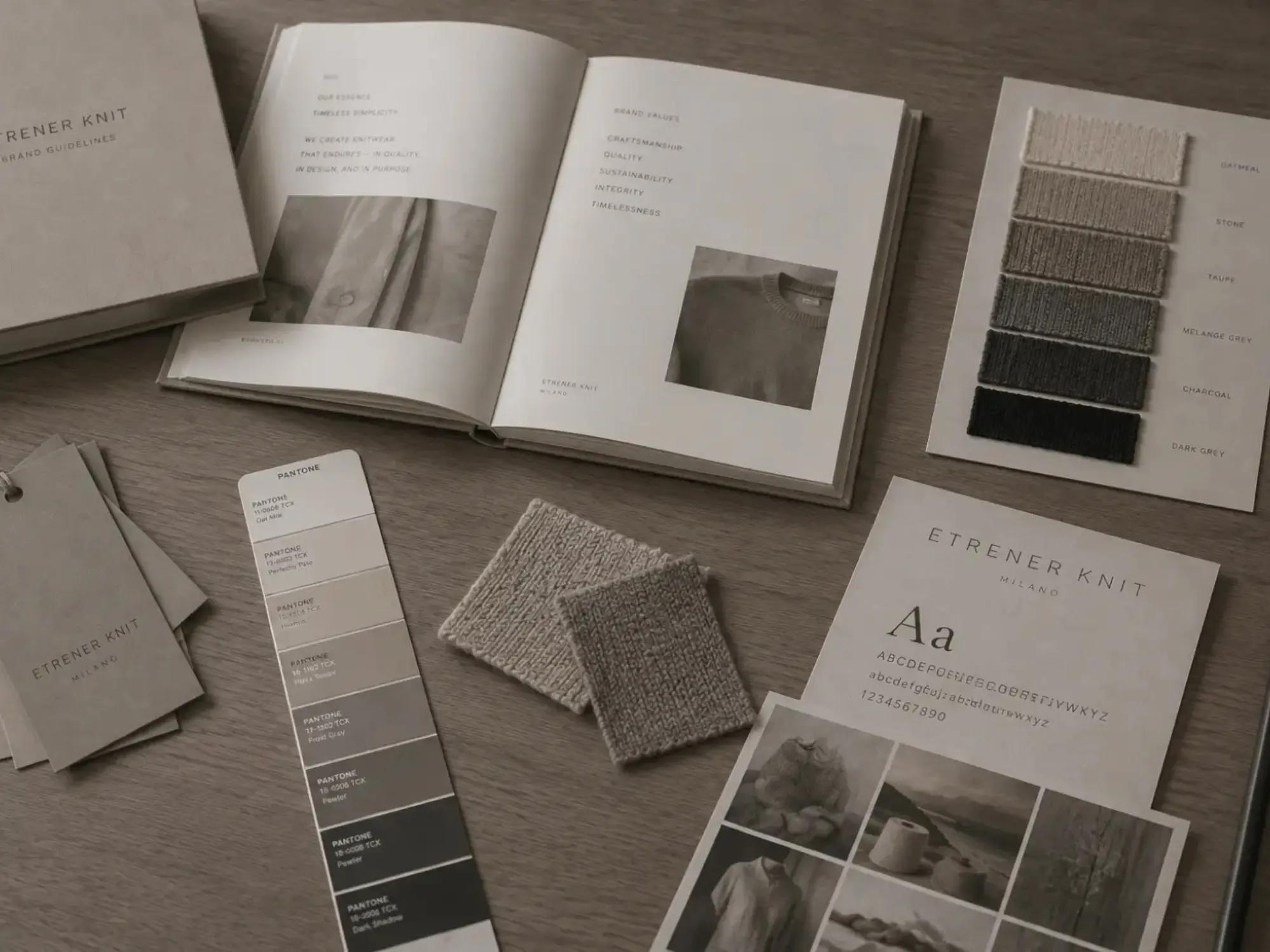
ODM suits brands that know what they want to sell but do not have a design team or production tech packs. You bring the direction: the customer, the mood, the references and the price point. Our team turns that direction into styles that can be knitted, and the finished garments carry your label.
If you already have finished designs or tech packs, the OEM route is the better fit. Our guide to which route fits your brand explains the difference.
What you bring
to start an ODM project
You do not need technical drawings. A clear direction is enough, and the more you can show us, the closer the first sample will be to what you imagine. Useful starting material includes:
- A mood board, inspiration photos or reference garments you like.
- A short description of your customer and where you will sell: online, boutiques or wholesale.
- The categories you want to build: dresses, tops, skirts, pants, co-ord sets, cardigans or sweaters.
- A colour direction and any yarn or fibre preferences.
- Your target quantity per style and your target price position.
- Your destination country and when you want the collection delivered.
If you already have part of a technical package, such as a sketch or a measurement chart, send that too. Our help preparing a tech pack for knit styles explains what a knit tech pack contains, which is useful to understand even when our team prepares it for you.
What our design team does
from direction to tech pack
On the ODM route, our in-house design team develops each style with you, from concept sketch to production tech pack. You review and steer; we do the technical work.
Design development
We translate your brief into garment designs with proportions, necklines, lengths and details that work in knit. Knitwear behaves differently from woven fabric: it stretches, recovers and drapes according to the yarn and gauge, so a good design takes the knit into account from the first sketch. We explain where a detail will or will not work and suggest alternatives.
Yarn and colour
Yarn and colour define a private label collection as much as the silhouette does. We suggest yarns and colour combinations that match your direction and budget, and we source the yarn for production once you approve the sample. Share any reference swatch or fibre preference at the start so the first sample is close to your intent.
Tech pack and sampling
Once a design is agreed, we prepare the production tech pack, which records measurements, construction, yarn, gauge, colours and trims. We then make the sample. ODM sampling takes 15–20 days, and you approve the sample before bulk production begins. The knitwear sampling process page explains how samples are developed and approved.
Production and quality control
After sample approval, bulk production takes 25–35 days. Production runs on more than 100 Shima Seiki units, operated by an in-house team of 1,000 skilled workers, and we knit from 3GG to 18GG, including 16G/18G fine gauge. Shima Seiki explains its WHOLEGARMENT® seamless knitting technology on its official website.

Your brand
on every garment
ODM is how a style is developed. Private label is how it is sold: the finished garments carry your brand name, not ours. In practice that means your woven labels, care labels, hang tags and packaging. See private label knitwear packaging for the labelling and packaging options.
Plan your branding early, because label placement and packaging affect both the sample and the final cost. Send your logo files and any brand guidelines with your brief so the first sample can carry your labels.
Think about the full brand experience as well as the garment. The label inside the neckline, the care label and the hang tag are often the first things a customer reads, so they should match the tone of the collection. If you are launching a new label and do not have these ready, tell us at the start and we will advise what to prepare and when, so labels do not hold up the sample.
Exclusivity and design ownership
If exclusivity matters to your label, raise it in your brief so it is agreed before development begins. Design protection works differently in each country, and it is worth understanding how it applies to your market. The World Intellectual Property Organization explains industrial designs and how they are protected.
ODM MOQ, sampling
and lead time
These are the terms for the ODM route. Every ODM project starts with a sample, and you approve it before bulk production begins.
| Item | ODM |
|---|---|
| MOQ | 50 pcs per style per colour |
| Sampling | 15–20 days |
| Bulk production | 25–35 days after sample approval |
| Gauge range | 3GG to 18GG, including 16G/18G fine gauge |
| Sample fee | Deducted from your bulk order |
The minimum is counted per style and per colour, so one style in two colours starts at 100 pcs in total. We confirm timing against your specific style in your quote. For the full picture of minimums and order steps, see the knitwear MOQ and cooperation process page.
How an ODM project
moves forward
- Share your briefMood board, references, categories, quantity and yarn ideas.
- Receive a quoteWe reply within 24 hours with MOQ, price range and timing.
- Develop the styleOur team develops the design and tech pack with you.
- Approve a sampleMade in 15–20 days and signed off before bulk.
- Bulk production25–35 days after sample approval, then shipping.
Unit price depends on gauge, yarn, construction and quantity, so we quote against your style. Ask for the price range in your first message and we will confirm it with the quote.
Building a private label
knitwear range
A first private label range works best when it is focused. A small number of well-developed styles in a consistent colour palette gives your customers a clear idea of the brand and keeps your first order manageable at 50 pcs per style per colour.
Start with a clear core
Choose the pieces your customer is most likely to buy and build the range around them. Think about how the pieces work together: a knit top that pairs with a skirt, a cardigan that layers over a dress, or a co-ord set that sells as one outfit. A knit co-ord set is a practical way to build a range, because one design direction produces two pieces. See our custom knit co-ord set manufacturer page for what we make.
Decide on texture and detail
Stitch structure and pattern give a knitwear label its character. Techniques such as jacquard, intarsia and pointelle change how a style is knitted, how it feels and how it is priced. Read about jacquard, intarsia and pointelle knitting to see how each works, then tell us which direction appeals to you.
Choose gauge for the garment
Gauge is the number of needles per inch on the machine. Lower gauges give thicker, more structured fabric. Fine gauges such as 16G and 18G give lighter, smoother fabric for dresses and tops. Because our team develops the design, we recommend a gauge and yarn combination for each style, and you can adjust it at the sample stage.
Giving useful feedback on samples
The sample is where an ODM design becomes real, so review it carefully. Check the fit on a body or a form, the handfeel of the fabric, the colour in daylight and the finishing at the neckline, hem and cuffs. Give feedback in one consolidated message, with photos or marked measurements where you can. Clear, specific feedback helps us correct everything in one round and keeps your timeline on track.
Common ODM briefing mistakes
The most frequent problem is a brief that is too general. A description such as “modern and minimal” leaves too much open, while two or three reference garments and a colour direction give our team something concrete to design from. The second is a mismatch between price and yarn: a target price set before the yarn is chosen can rule out the fibre you want, so share both together and we will tell you early if they conflict. The third is changing direction after development has started, which restarts the design work and adds a sample round.
Testing the market first
If you are not ready to commit to developing a collection, ready-to-ship wholesale is a lower-risk way to start. Styles are ordered from our existing in-house range from 30 pcs per style. Many labels begin there and move to ODM once they know which pieces their customers want.
If you are still comparing suppliers, a checklist for choosing a knitwear factory lists the questions worth asking any manufacturer.
ODM questions
buyers ask first
What is the difference between ODM and private label?
ODM describes how the style is developed: our design team creates it with you. Private label describes how it is sold: under your own brand. On the ODM route you get both, because the styles are developed with our team and carry your label.
Do I need a tech pack for ODM?
No. Our design team prepares the production tech pack with you. A mood board, references or a short brief are enough to start.
What is the MOQ for ODM knitwear?
The MOQ is 50 pcs per style per colour. Each colour counts separately, so one style in two colours starts at 100 pcs in total.
How long does ODM sampling and production take?
ODM sampling takes 15–20 days. Bulk production takes 25–35 days after you approve the sample. We confirm timing against your style in the quote.
Can I use my own labels and packaging?
Yes. Private label means your brand on the product. Send your logo files and packaging requirements with your brief so they can be included from the first sample.
Who owns the design?
Exclusivity and design ownership should be agreed before development begins. Raise it in your brief and we will confirm the terms with you in the quote. Design protection also depends on the country where you sell.
Can I change the design after the sample?
Yes, you can request adjustments at the sample stage, and we recommend consolidating them in one message. Changes after you approve the sample can affect timing and cost, so confirm everything before bulk begins.
Can I start with ready-to-ship and move to ODM later?
Yes. Ready-to-ship wholesale starts at 30 pcs per style and lets you test the market with existing in-house styles. When you want exclusive styles under your own label, you can brief our team for ODM development.
Is the sample fee refunded?
The sample fee is deducted from your bulk order. We confirm the fee for your style in the quote.
Share your concept
and get a quote
Tell us the styles, quantity and yarn you have in mind. We reply within 24 hours with MOQ, price range and timing. Get a quote to begin.