Certifications and sustainability
What to ask a knitwear manufacturer for, and what you can specify
Buyers ask two related questions before they order: what documents can you give me, and how responsibly is this made? This page explains how to approach both, so you can ask the right questions of us and of any other manufacturer.
We do not list certificates on this page. If your market or customers require specific documents, tell us before you order and we will confirm in writing what we can provide for your style.
Four kinds of
compliance document
Short answer: the documents buyers ask for fall into four groups, and they answer different questions. Knowing which one you need saves time, because a document that proves one thing says nothing about another.
| Type of document | What it answers | Who usually needs it |
|---|---|---|
| Material or fibre documents | What the yarn is made of, and where claims about it come from | Brands making fibre or recycled-content claims |
| Product test reports | Whether a finished garment meets a stated requirement | Retailers and brands with product safety or quality rules |
| Factory or social audit reports | How the factory treats workers and manages its operation | Brands that audit their suppliers |
| Market labelling and import requirements | What the label and paperwork must show in your country | Every brand importing into a market |
Tell us which of these your customers or retailers actually require. A short list of named requirements is much easier to answer than a general question about certificates.
What we say
and what we do not
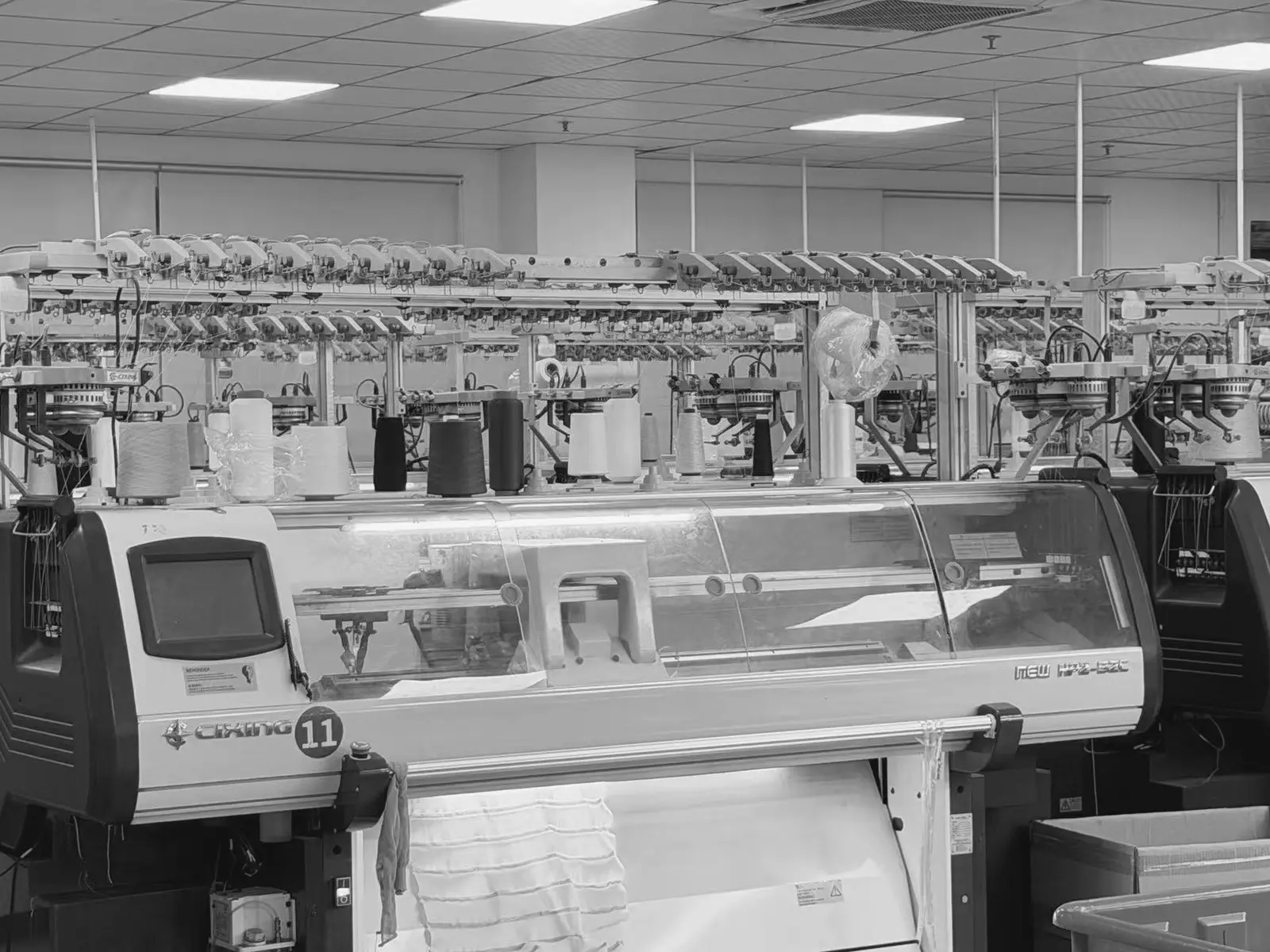
We make women's knitwear in Guangzhou for fashion labels and wholesale buyers. We do not make environmental or compliance claims on this page that we cannot document, and we ask you to hold every supplier to that standard.
If you need a document for your style, ask early. Some documents depend on the yarn you choose, so the answer can differ between two garments from the same factory. We confirm in writing before you commit, and we read the paperwork you need before we agree to a requirement.
The label is
a legal requirement
Whatever documents you collect, every garment you sell needs a correct label for the market it enters. This is the requirement buyers most often under-prepare for, and the responsibility sits with the brand placing the product on the market.
In Great Britain, GOV.UK textile labelling guidance says the label must show the fibre content, and that manufacturers and retailers are responsible for compliance. In the United States, the Federal Trade Commission explains labelling requirements under the Textile and Wool Acts.
Rules differ between markets and change over time, so check the current rules for yours before you finalise labels. Our buyer guides explain what to know before importing from China, with a page for each major market.
What to ask
any knitwear manufacturer
Use this list with us and with every other supplier you are comparing. Written answers are better than verbal ones.
- Which documents do you hold, and which can you provide for my specific yarn and style?
- Who issued each document, what exactly does it cover, and is it still valid?
- Does the document cover the factory, the yarn, or the finished garment? These are not interchangeable.
- Is any part of production done by another company, and does the document cover them too?
- Can I verify the document independently, for example with the issuing body?
- What do you need from me to prepare labels and paperwork for my market?
A good supplier answers these plainly. Be cautious of a supplier who shows a document without saying what it covers, or who cannot tell you who issued it.
Choices you
control in the brief
Most of a garment's environmental character is set before production starts, in the choices you make in the brief. We would rather help you make those choices well than make a general promise about the factory.
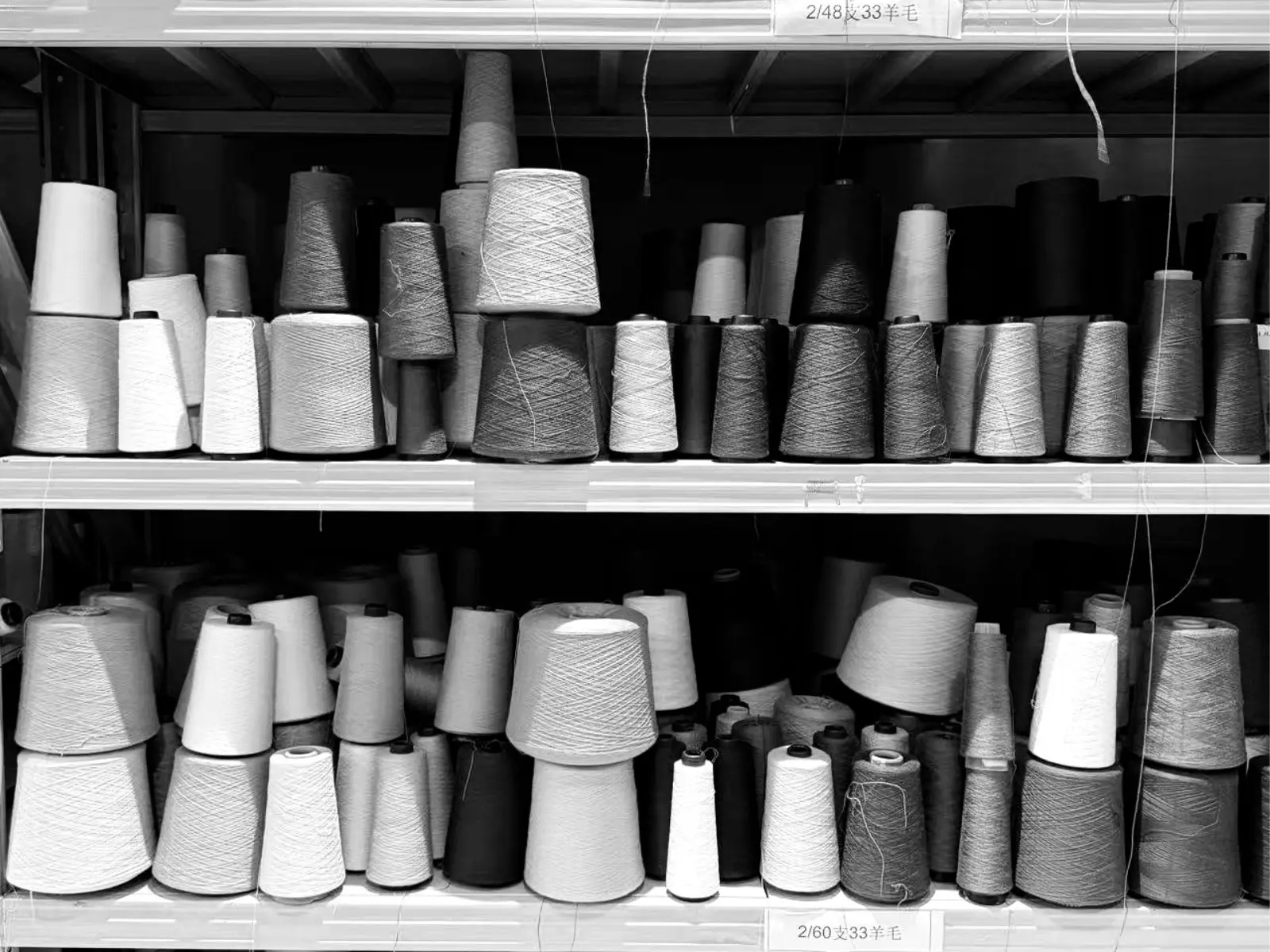
The biggest one is yarn. Fibre decides what the garment is made of and how long it lasts. Our guide to knitwear yarn options explains merino, cashmere blends, cotton and recycled yarns, and what each does in a knit.
Six decisions
that make a garment more responsible
| Decision | Why it matters | What to do |
|---|---|---|
| Choose the fibre deliberately | Fibre sets durability, care and the story you can truthfully tell | Pick the yarn for the customer's use, and ask what documents exist for it |
| Consider recycled yarns | They can suit a recycled-content collection | Judge the handfeel on a swatch, and ask what the blend contains |
| Design for durability | A garment worn for years has a lower impact per wear | Choose a yarn and stitch that resist bagging and pilling |
| Sample before you commit | A good sample prevents bulk errors and waste | Approve fit, handfeel and colour on a sample first |
| Order what you can sell | Unsold stock is waste | Plan quantities per style. Custom orders start at 50 pieces per style |
| Make claims you can support | Unsupported green claims create legal and reputational risk | Keep documents for every claim on your labels and website |
These are decisions, not guarantees. The impact of a garment depends on the yarn, the design and how it is used and cared for.
Know your
supply chain
Brands increasingly have to show that they have thought about labour and environmental risks in their supply chains. The OECD publishes guidance on responsible garment and footwear supply chains, which is a useful reference for the questions a brand should be asking its suppliers.
One practical step is to work with a manufacturer that makes the garments itself, because a short supply chain is easier to understand. To see who we are, where we are and how the factory is set up, read about the team and factory.
Quality is part
of sustainability
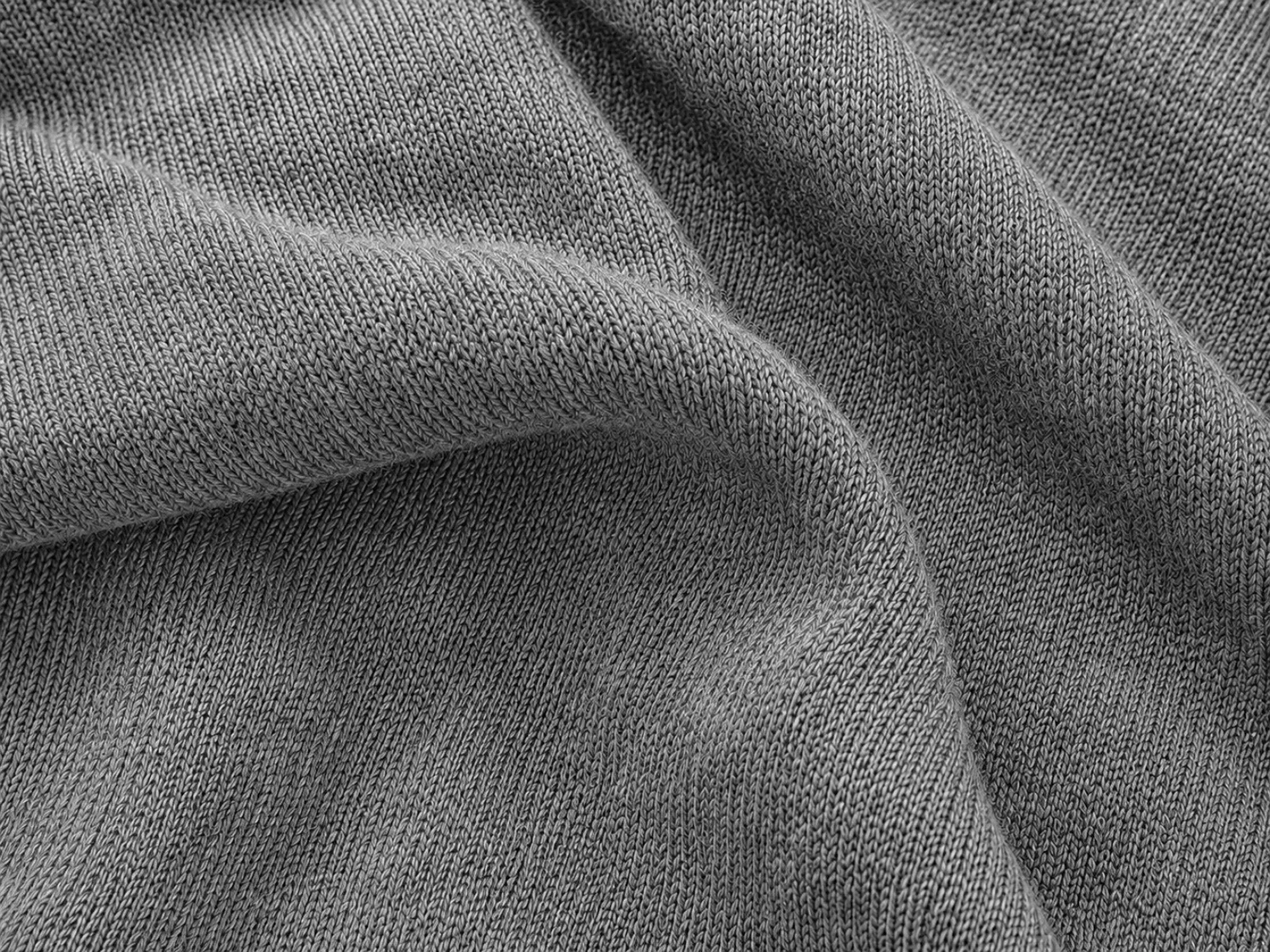
A garment that fails inspection, or falls apart after a few washes, is wasteful however it was made. Checking quality before shipping is part of making responsibly.
Read about our knitwear quality control process to see how garments are checked, and what you can inspect on a sample before approving bulk production.
Be careful with
sustainability claims
Words such as sustainable, eco-friendly, recycled or organic on a label or website are claims, and regulators and customers expect evidence behind them. Before you use one, check three things.
- Is it true for this product?A claim about a yarn applies to garments made from that yarn, not to the whole range.
- Can you prove it?Keep the supporting document for each claim, and know exactly what it covers.
- Is it specific?A precise claim, such as the proportion of recycled fibre, is safer and more credible than a vague one.
If you are unsure what your market allows, check with your own advisers before you publish. We can tell you what we know about the yarn and the production of your style, but the claim on your label is your responsibility.
When to raise
compliance in an order
Compliance problems are cheapest to fix early and most expensive to fix after bulk production. Raise each point at the stage where it can still change the outcome.
- In the briefName the market, any documents your customer requires and any claims you plan to make. These can influence the yarn you choose.
- At samplingCheck the label content, fibre composition and care wording on the sample, not only the fit and handfeel.
- Before bulkConfirm in writing which documents will be provided, and that the approved yarn is the one that will be used.
- Before shippingCheck that labels and paperwork match what your market requires, so the goods do not stall on arrival.
Changing a yarn after approval can change what a document covers, so lock the yarn before bulk production starts.
What to tell us
about your requirements
- The country or countries you are selling into
- Any documents your retailer or customer has asked for, named exactly
- Whether you plan sustainability or recycled-content claims, and which
- The yarn you prefer, or the look you want so we can suggest one
- Your quantity per style and timeline
On the OEM route, sampling takes 10 days. On the ODM route, sampling takes 15–20 days. Bulk production takes 25–35 days on both routes. Custom orders start at 50 pieces per style.
Compliance questions
buyers ask first
Can you provide compliance documents for my order?
It depends on the document, your yarn and your style. Tell us exactly what you need before you order, and we will confirm in writing what we can provide.
Why does this page not list certificates?
We do not publish certificate lists on the website. Ask us about the specific documents your market or customers require, and we will answer for your style.
What is the difference between a product test report and a factory audit?
A test report covers a finished garment or material against a stated requirement. A factory audit covers how a factory operates, including how it treats workers. They answer different questions.
Who is responsible for the garment label?
The brand placing the product on the market is responsible for meeting the labelling rules of that market. In Great Britain, for example, GOV.UK says manufacturers and retailers are responsible for compliance, and the label must show the fibre content.
Do you offer recycled yarns?
Recycled yarns are one of the fibre families we discuss in briefs. Ask us what is practical for your style, and judge the handfeel on a sample.
Can I make sustainability claims on my labels?
Only if you can support them with evidence for the product in question. Keep the documents, be specific, and check what your market allows.
What is the minimum order?
Custom OEM and ODM orders start at 50 pieces per style.
Ready to start
your knitwear project?
Share your design, the markets you are selling into and any documents you need, and we will confirm in writing what we can provide.
request a knitwear quoteMore questions? See the answers to common buyer questions.